• HOME
  • NEWS
  • EXPLORE
    • CAREER
      • Companies
      • Jobs
    • EVENTS
    • iGEM
      • News
      • Team
    • PHOTOS
    • VIDEO
    • WIKI
  • BLOG
  • COMMUNITY
    • FACEBOOK
    • INSTAGRAM
    • TWITTER
Wednesday, November 4, 2026
BIOENGINEER.ORG
No Result
View All Result
  • Login
  • HOME
  • NEWS
  • EXPLORE
    • CAREER
      • Companies
      • Jobs
        • Lecturer
        • PhD Studentship
        • Postdoc
        • Research Assistant
    • EVENTS
    • iGEM
      • News
      • Team
    • PHOTOS
    • VIDEO
    • WIKI
  • BLOG
  • COMMUNITY
    • FACEBOOK
    • INSTAGRAM
    • TWITTER
No Result
View All Result
Bioengineer.org
No Result
View All Result
Home NEWS Science News Technology

Systematic review finds quantum machine learning not yet ready for medical image analysis

by
November 4, 2026
in Technology
Reading Time: 2 mins read
0
Systematic review finds quantum machine learning not yet ready for medical image analysis

Systematic review finds quantum machine learning not yet ready for medical image analysis

Share on FacebookShare on TwitterShare on LinkedinShare on RedditShare on Telegram

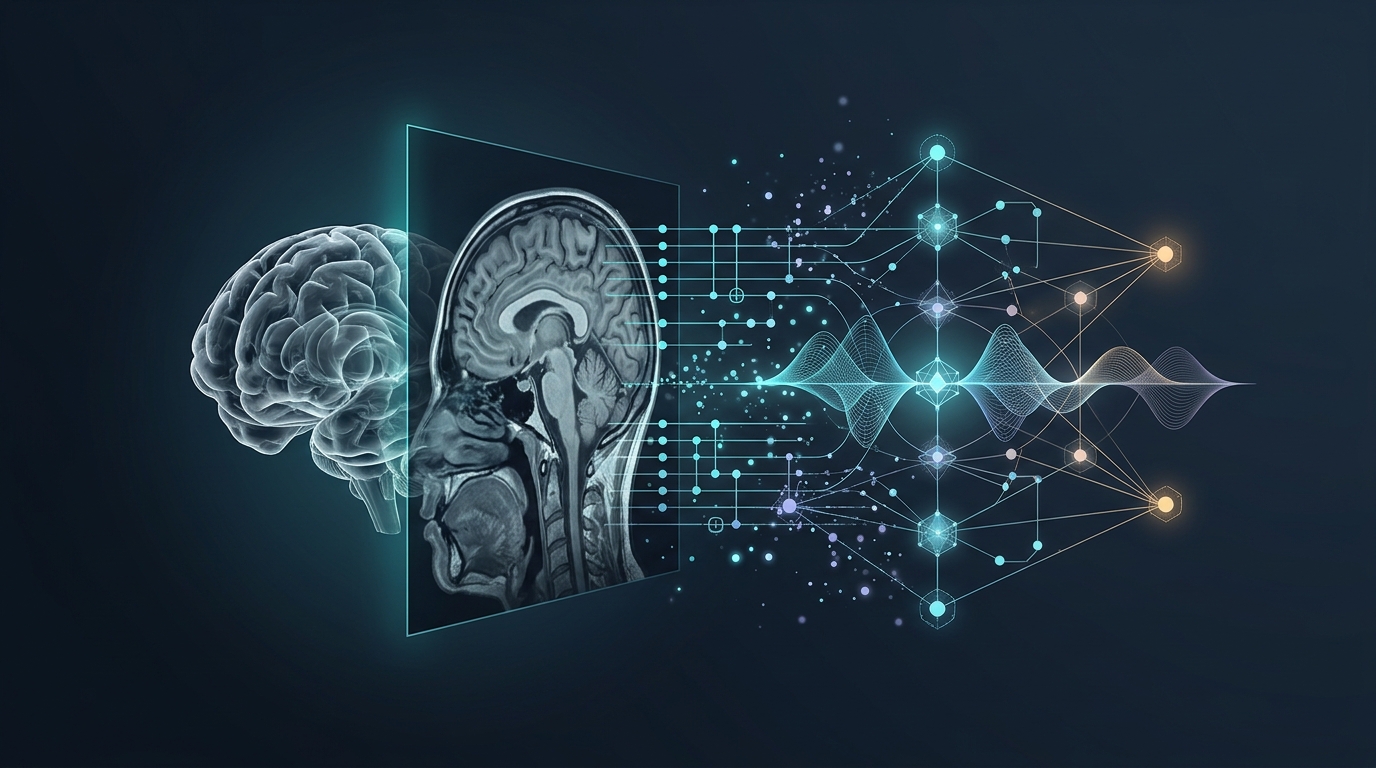
A systematic review of quantum machine learning in medical image analysis has concluded that, despite promising early results, the current evidence is not enough for clinical readiness. The review, published in the journal Quantum Machine Intelligence, evaluated studies of quantum and hybrid quantum-classical models applied to images of different medical conditions, comparing their performance against classical approaches and cataloguing the obstacles that still stand between laboratory demonstrations and hospital use.

The work followed the SPAR-4-SLR framework, a structured protocol for systematic literature reviews. The authors searched PubMed, Elsevier, MedRxiv, arXiv, Google Scholar and Research Gate for relevant studies published between 2020 and 2026. To be included, studies had to be published in English, available in full text, and presented at recognized conferences or in reputable journals. They also had to discuss quantum machine learning, focus on medical image analysis, and provide sufficient technical detail about the QML model, algorithm or architecture. Duplicate studies, non-English publications, and personal or casual blogs were excluded.

Of 1,140 studies identified and screened, only 16 made it into the final review. Of the 1,140 studies identified and screened, only 16 were included in the final review. The methodology included analysis of model architectures, challenges, techniques, and performance comparisons between classical and quantum-based models, with further areas for improvement also explored.

The review’s central technical finding is that quantum machine learning performs well compared to its classical counterpart in detecting complex patterns even with small datasets.

Several approaches highlighted in the review also point to potential benefits for patient privacy preservation. The review frames this as a potential advantage rather than a demonstrated clinical capability, noting that the approaches remain at an early stage.

Against those positives, the authors identify persistent challenges related to hardware constraints and well-annotated data.

The review’s overall verdict is measured: while QML holds potential, the current evidence is not enough for clinical readiness. The authors position their analysis as an assessment of performance, current limitations, and the future directions needed for the advancement of the field.

No quantum machine learning system reviewed in this study is presented as ready for diagnostic use. Until hardware matures and evidence accumulates on clinically representative tasks, quantum machine learning in medical imaging remains a research program with potential, not a clinical technology.

Subject of Research: A systematic review of quantum and hybrid quantum-classical machine learning models for medical image analysis tasks

Article Title: Systematic review of quantum machine learning in medical image analysis

Article References: Amjad, U., Yasmeen, G. M., Azeemi, F., & Raza, A. (2026). Systematic review of quantum machine learning in medical image analysis. Quantum Machine Intelligence, 8(2), Article 118. https://doi.org/10.1007/s42484-026-00451-z

Image Credits: AI Generated

DOI: 10.1007/s42484-026-00451-z

Keywords: quantum machine learning, medical image analysis, systematic review, hybrid quantum-classical models, SPAR-4-SLR framework, small datasets, patient privacy, hardware constraints, annotated data, clinical readiness, Quantum Machine Intelligence, Systematic

News Source: Teresa Odom. (November 4, 2026). Systematic review finds quantum machine learning not yet ready for medical image analysis. Scienmag.


Tags: annotated dataClinical Readinesshardware constraintshybrid quantum-classical modelsMedical Image Analysispatient privacyQuantum Machine Intelligencequantum machine learningsmall datasetsSPAR-4-SLR frameworkSystematicsystematic review
Share12Tweet7Share2ShareShareShare1

Related Posts

Shapley Value Ranks Which Heat Pump Submodels Matter Most for Grid Flexibility

Shapley Value Ranks Which Heat Pump Submodels Matter Most for Grid Flexibility

November 4, 2026
Graph Neural Network Predicts Job Wait Times Across Huge Computing Grids

Graph Neural Network Predicts Job Wait Times Across Huge Computing Grids

November 4, 2026

Lightweight AI Tracks Every Cow in the Herd in Real Time

November 4, 2026

New Hashing Method Speeds Up Image and Text Search at Massive Scale

November 4, 2026

POPULAR NEWS

  • Echocardiographic myocardial work indices outperform ejection fraction in sepsis heart failure study

    Echocardiographic myocardial work indices outperform ejection fraction in sepsis heart failure study

    29 shares
    Share 12 Tweet 7
  • New Hashing Method Speeds Up Image and Text Search at Massive Scale

    29 shares
    Share 12 Tweet 7
  • Fibrinogen and White Blood Cell Subtypes Shape Blood Clot Mechanics Beyond Hematocrit and Sex

    29 shares
    Share 12 Tweet 7
  • Organizational factors outweigh demographics in retaining nurses and midwives in deprived southeastern Iran

    29 shares
    Share 12 Tweet 7

About

We bring you the latest biotechnology news from best research centers and universities around the world. Check our website.

Follow us

Recent News

Tablet Press Trick: Watching Density Shifts Expose Hidden Drug Crystal Changes

Eyelid’s oil glands run on sugar, study finds

Shapley Value Ranks Which Heat Pump Submodels Matter Most for Grid Flexibility

Subscribe to Blog via Email

Enter your email address to subscribe to this blog and receive notifications of new posts by email.

Join 86 other subscribers
  • Contact Us

Bioengineer.org © Copyright 2023 All Rights Reserved.

Welcome Back!

Login to your account below

Forgotten Password?

Retrieve your password

Please enter your username or email address to reset your password.

Log In
No Result
View All Result
  • Homepages
    • Home Page 1
    • Home Page 2
  • News
  • National
  • Business
  • Health
  • Lifestyle
  • Science

Bioengineer.org © Copyright 2023 All Rights Reserved.